
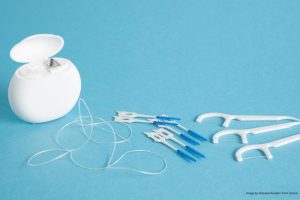
 Cleaning between your teeth is an important part of oral hygiene, but that does not necessarily mean using traditional string floss every day.
For many people, floss is a simple and effective tool. For others, maneuvering floss can be challenging, uncomfortable, or difficult to maintain as part of a daily routine. Fortunately, there are several ways to clean between your teeth, including string floss, water flossers, and interdental brushes.
At Smile Logic, we look at the health and structure of your mouth, along with practical considerations such as dexterity, habits, and lifestyle, when discussing interdental care.
Why Clean Between Your Teeth?
A toothbrush is designed to clean the surfaces of your teeth, but its bristles have limited access to the spaces between them. Interdental cleaning helps address those areas.
For years, the standard advice has been “brush and floss.” Floss remains a useful tool, particularly when teeth have tight contacts.
But it isn’t the only option.
Some people find flossing straightforward. Others have difficulty positioning the floss or maintaining the technique. If there is more space between teeth, an interdental brush may be easier to use. A water flosser can also be an appealing alternative for someone who prefers using water rather than string.
It’s all about finding an effective way to clean the areas your toothbrush cannot reach.
How to Clean Between Your Teeth: Your Options
There are several tools available for interdental cleaning, each with its own advantages and considerations.
Traditional floss can be useful for cleaning between teeth with tight contacts. Using it effectively involves guiding the floss carefully between the teeth and along the tooth surfaces near the gumline. For people who are comfortable with the technique, it can be an excellent part of an oral hygiene routine.
Water flossers use a directed stream of water to clean between teeth and around the gumline. Some people prefer them because they find the process easier or more comfortable than handling string floss.
Interdental brushes are small brushes designed to clean spaces between teeth. They come in multiple sizes, and choosing an appropriate size is important. The brush should fit comfortably through the space rather than requiring force.
You can also combine approaches. For example, floss may be useful in tighter areas while an interdental brush works well where there is more room.
Water Flosser vs. Floss: Which Should You Use?
The answer starts with your mouth.
The spacing between your teeth is one consideration. Tightly spaced teeth may call for a different tool than areas with more room.
Gum health and dental history can matter as well. Someone managing gum disease, for example, may have different interdental-cleaning requirements than someone with healthy gums.
Dexterity is another factor. Flossing involves precise hand movements, and not everyone finds that technique easy. A water flosser or interdental brush may be simpler to handle.
These practical details are worth considering alongside your dental needs. An effective oral hygiene routine is one that you can use consistently and correctly.
When Might Interdental Brushes Be Helpful?
Interdental brushes can be particularly useful when there is enough space between teeth for the brush to pass through.
Choosing the right size matters. A brush that is too large should not be forced into a narrow space, while one that is too small may not provide the contact needed to clean effectively. Different areas of your mouth may require different sizes.
This is where a dental professional can provide useful guidance. Rather than guessing which brush to purchase, your dental team can evaluate the spaces between your teeth and demonstrate the sizes and techniques that are appropriate.
Your Interdental Routine Can Change, Too
There is no rule that says you have to use exactly the same tool every single day.
You might use string floss one day, a water flosser the next, and interdental brushes in areas where they are useful. Your routine can also change as your oral health, dental work, or habits change.
For some patients, a particular tool or technique is especially important because of existing gum or dental concerns. In other situations, there may be several suitable approaches.
The important thing is understanding how to clean between your teeth effectively and having the right tools available for the job.
How Does Smile Logic Approach Preventive Care?
At Smile Logic, preventive care starts with understanding what is happening in your mouth.
When discussing interdental cleaning, we consider factors such as gum health, the spaces between your teeth, dental history, dexterity, and the techniques you are currently using. From there, we can talk through the available options and demonstrate how to use them.
That same approach extends beyond interdental cleaning.
Smile Logic offers salivary testing to provide additional information about your oral health, whitening for patients interested in brightening their smiles, and gentle AirFlow cleanings, which use a combination of air, water, and fine powder to help remove deposits and staining.
If you’re looking for a Broomfield dentist who takes a personalized approach to preventive dental care, learn more about Smile Logic and its services.
Frequently Asked Questions About Interdental Cleaning
Do I have to use string floss every day?
Floss can be an effective way to clean between teeth, but the appropriate method and frequency can vary based on your oral health. Your dental professional can recommend a routine based on the condition and spacing of your teeth and gums.
Can a water flosser replace traditional floss?
A water flosser can be an appropriate part of an interdental-cleaning routine. Whether it replaces or supplements floss depends on factors such as your oral health, the spaces between your teeth, and how effectively you use the device.
Are interdental brushes better than floss?
Neither tool is inherently better in every situation. Interdental brushes can be useful where there is enough space for them to fit, while floss can be helpful for tighter contacts. Your dental team can help you determine where each tool may be useful.
What if I have trouble using floss?
Flossing requires a certain amount of fine motor control. If you have difficulty positioning the floss, find it uncomfortable, or simply have trouble incorporating it into your routine, mention it at your next dental visit. There may be another interdental-cleaning option worth trying.
Can I use more than one interdental-cleaning method?
Yes. You may find that different tools are useful in different areas of your mouth. Some people also prefer alternating methods as part of their regular routine.
Your dental team can help you determine which combination makes sense based on your oral health.
Find an Interdental Routine That Fits Your Life
Floss is one way to clean between your teeth, but it is not the only way.
If traditional floss works well for you, keep using it. If you find it difficult to use or would like to explore other options, a water flosser or interdental brush may be worth discussing with your dental team.
At Smile Logic, we can assess your oral health, talk through your interdental-cleaning options, and show you how to use the tools that are appropriate for your mouth.
If you’re in Broomfield or the surrounding area, contact Smile Logic to schedule an appointment and talk with our team about your preventive dental care.